28 April 2026 · Falah Mousa
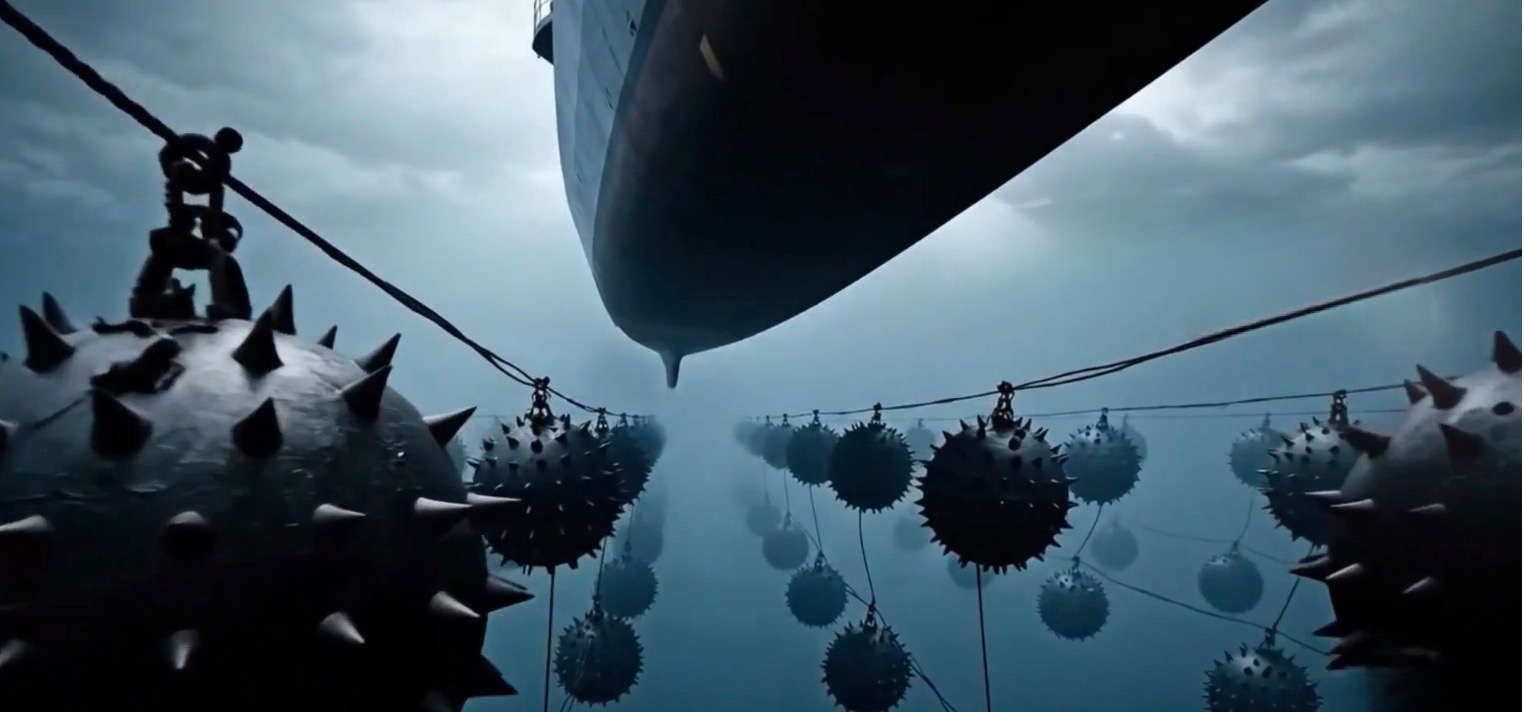
Much of what the public is currently hearing about the ongoing conflict in the Middle East revolves around oil price increases, disrupted shipping routes, military risks, and strategies for each country's involvement in the region. These are all important topics; however, they do not represent an entire picture. This situation represents a global crisis; a combination of both a security crisis and a development crisis. A major aspect of this crisis is that wars taking place in strategically located regions, such as the Middle East, do not remain isolated to combat zones. It moves through energy systems, which translates into higher transportation costs, which leads to increased costs of goods within supply chains, which leads to increased prices in food markets, which directly affect consumer spending habits and household budgets. Finally, once household budgets are affected by price inflation, these changes can be reflected in the official poverty rates.
According to the UNDP policy brief Military Escalation in the Middle East: Reversals in Global Development, Policy Response Options, as many as “32.5 million people” could fall into poverty globally because of a “triple shock of energy affordability and availability, food price increases, and GDP downturns.” This is the key point. The issue is not just lower rates of economic growth but lower rates of economic growth with added inflationary pressure on the goods that are most important to poor families.
That is why this period is so serious. Households will find a moderate slowdown in growth much easier to endure than they would an increase in the cost of electricity, gasoline, bread, transportation, and propane or other fuels simultaneously. The poorest individuals will feel the greatest impact from this because they have the largest percentage of their income spent on meeting their basic needs. Inflation is not a theoretical macro-economic measure for these individuals. It is an immediate reduction in how well they are able to survive each day. That is why one of the most important findings in the same UNDP policy brief is that “price pressures rather than output losses alone drive much of the additional poverty increase.” In other words, the real danger does not come only from weaker GDP. It comes from the price shock transmitted into everyday life.
The impact is particularly severe for energy-dependent developing countries and emerging markets. A number of these are exposed on all sides simultaneously. Emerging markets and developing countries experience a rise in their costs of importing goods and services due to rising commodity prices, a weakening currency (which makes imports more expensive), reduced fiscal space to implement economic policies (due to the need to spend increasing amounts on servicing their debt) and also less ability to offer protection to households. Advanced economies can provide some level of shock absorption through borrowing, reserves, and other forms of targeted support. Most poorer economies lack this ability. As stated in an October 2008 UNDP policy brief "advanced economies have the fiscal and monetary means to absorb shocks; low income and most middle-income countries do not."
This difference in exposure to potential crisis should therefore be central to any meaningful consideration of policy options.
According to the same UNDP policy brief, “Timely, targeted, and coordinated policy responses will be essential to prevent temporary shocks from becoming lasting development setbacks.” That is exactly the issue. Temporary shocks have a habit of becoming long-term reversals when governments respond too slowly, too broadly, or with the wrong tools.
Another clear policy recommendation is simply the most reasonable recommendation. As stated in the UNDP policy brief, "Targeted and Temporary Cash Transfers" are "the best alternative policy response for fiscally-constrained countries." The reason this recommendation is deserving of consideration is that it reflects a simple reality many governments continue to dispute. The way to effectively protect poor household(s) is generally to provide direct financial assistance to those households.
While “Blanket Subsidies” may appear to be a political winner in the short-run, they can be an extremely blunt instrument. Blanket Subsidies (also known as universal or untargeted subsidies) tend to be very costly, regressive and difficult to reverse after they are implemented. The UNDP policy brief's warning about blanket energy subsidies being "regressive" and "un-sustainable on a fiscal basis over time", has merit. In practical terms this means that governments should quit pretending providing blanket subsidy to all citizens is the same as providing protection to the vulnerable. It is not.
The better route is providing narrow and specific assistance. wherever states have the ability to administer, direct monetary support is the most effective route. wherever states don't have the administration capability, temporary vouchers or minimum consumption support for the purchase of electricity or cooking gas would be a viable alternative. There should remain one underlying premise: safeguarding necessary household consumption while keeping the state from being locked into wasteful and widespread subsidies.
there exists another issue that merits greater discussion. Some countries won't be able to handle this by themselves regardless of how well domestic policies are designed. If a country carries high levels of debt, low reserves and limited market access then a large external energy shock can rapidly develop into a balance-of-payments problem which can rapidly evolve into a fiscal problem and finally into a social problem. In such instances, multilateral financial support is not charity, it is crisis management.
My interpretation is very simple. Today the world continues to view war, inflation, debt stress and poverty as distinct issues. They are not distinct; they are all connected. A military escalation in the middle east can lead to food insecurity shocks in Africa, create a fiscal crisis in economies dependent upon imports in Asia, and represent a hindrance to human development in areas distant from the initial area of conflict.
that's why this time period should be viewed not just through foreign policy but also through development policy.
The question is no longer whether the war has economic impacts (it clearly does). the question now is whether national governments and international institutions are willing and prepared to act prior to these economic impacts becoming permanent in terms of poverty.
Once millions of households lose purchasing power, fall into a vulnerable position, begin to cope through debt, reduce food purchases, lose schooling opportunities, or cut back on healthcare spending; the impact of the shock is no longer temporary, it becomes structural, and that's exactly when wars begin shaping development beyond where bombs are dropping.
What remains unclear is how seriously the governments behind this confrontation take the tens of millions of people whose quality of life will be impacted negatively due to hunger, insecurity, and an even slower decline into poverty. Is there evidence to suggest that Washington, Tel Aviv, and Tehran consider the potential human cost of their actions; or has their pursuit of power, Arrogance, superiority complex, and disregard for international law, political narcissism, and political grandstanding led them to disregard the value of individuals' everyday lives? Leaders of these Governments continually talk about security, sovereignty, deterrence, rights, and civilization, yet the widespread destruction of the social structures in lower-income communities indicates an astonishing failure to consider the real-world implications of their actions. Too often human rights are used as a banner or slogan to justify war and/or other action against others, while the human being (poorer, hungry, displaced, losing his/her dignity), is completely ignored.
#WarAndPoverty #MiddleEast #EnergySecurity #GlobalDevelopment #FoodSecurity #Inflation #Geopolitics #GlobalEconomy #Poverty #SupplyChains
Support Our Work
If you find our content valuable, please consider supporting our mission through a donation. Your contribution helps us continue providing high-quality analysis and insights.
Donation Options:
If you enjoy my work and would like to support it while helping me stay energized, I’d be deeply grateful for a coffee.
https://buymeacoffee.com/falahmousa
Thank you sincerely for your kindness and consideration.
 Falah Mousa