Falah Mousa
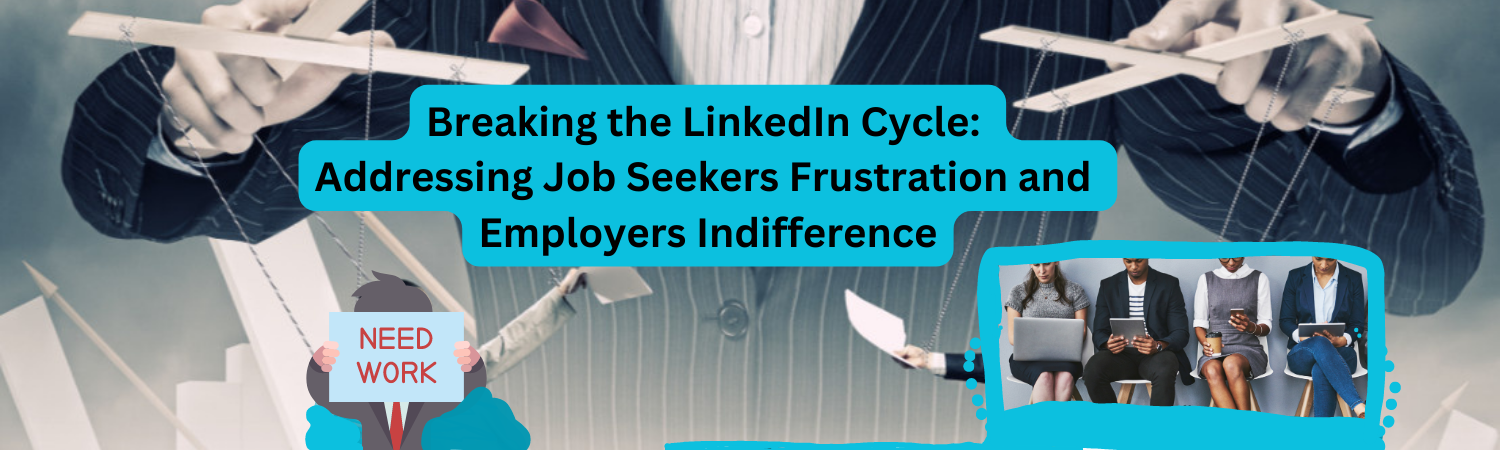
In today's highly competitive job market, platforms like LinkedIn have become an essential tool for networking and job hunting. However, for many job seekers, the experience on LinkedIn can be demoralizing, demotivating, and discouraging. I've witnessed the struggles of dozens of close-to-me unemployed individuals and job seekers who have spent years applying for countless positions via LinkedIn without any success. This has driven me to share their collective story and call for a more empathetic, supportive, and transparent approach to the hiring process on this platform.
In this article, we will explore the emotional and mental impact of a professional social media platform like LinkedIn on job seekers and unemployed individuals, and how using this platform may increase feelings of depression. We will also examine the reasons behind the anxiety and distress experienced by these users on LinkedIn and explore the measures the platform can implement to alleviate job seekers' frustrations and counteract employers' apathy. In addition to that we will discuss the ways in which LinkedIn can foster a shift in the currently dominant employment culture in the platform.
LinkedIn has established itself as a powerful social and professional network, boasting approximately 875 million users globally by the end of 2022. In terms of regional membership, the platform has 220 million members from the USA, 263 million from Europe, and 52 million hailing from the MENA region. The company’s mission as stated is: “…To connect the world’s professionals to make them more productive and successful.” However, the topic of mental health and job-seeking on professional platforms like LinkedIn has been discussed in various articles and research papers over the years. One very important and scientific study was published in the Journal Cyberpsychology, Behavior, and Social Networking, 2016 Oct 1. In the introduction the study mentions: “the purpose of this study was to investigate the association between frequency of use of LinkedIn, the most commonly used professional social networking website, and depression and anxiety among young adults. In October 2014, we assessed a nationally representative sample of 1,780 U.S. young adults between the ages of 19–32 regarding frequency of LinkedIn use, depression and anxiety, and sociodemographic covariates”. According to the study's discussion and conclusion, it was explained clearly that: “In this cross-sectional nationally representative study of young adults, we found strong, independent linear associations between LinkedIn use and both depression and anxiety. This was true even when we controlled for total social media use, suggesting that our main finding was not simply an artifact of overall increased social media use. Therefore, our hypothesis that increased frequency of use of LinkedIn would be associated with increases in depression and anxiety was supported”.
When LinkedIn's Job Search Turns Sour: The Struggles Faced by Job Seekers and Unemployed Individuals
“LinkedIn really creates that anxiety, that fear of missing out,” says Janice Peh, a counsellor and behavioural health coach at Intellect.com.
She explains that: “Everyone is out there sharing the highlights of their career and you feel a need to post something. Otherwise, you’re forgotten and may not get picked up by customers or head-hunters.”
Given the widespread influence of hustle culture and the emphasis on professional achievement, LinkedIn may provoke even greater anxiety than other social media platforms. Users are regularly exposed to tales of triumphant start-ups, entrepreneurial journeys, and enviable work-life balance situations, which can lead them to question their own career paths and accomplishments.
It is important to remember that similar to other social media platforms, LinkedIn profiles and posts are often carefully curated to present a polished and successful image. Consequently, some of the updates may not genuinely reflect the reality of users' professional lives. Given the high stakes and pressure associated with professional success, the urge to project a flawless image might be even stronger on LinkedIn compared to other platforms such as Facebook and Instagram. Therefore, users should approach the content they encounter on LinkedIn with a healthy dose of scepticism and recognize that not everything they see may be an accurate portrayal of others' lives. LinkedIn's job-seeking process can negatively impact unemployed users in various ways:
- Mental health impact: The constant exposure to others' success stories, promotions, and accomplishments can lead to feelings of inadequacy, low self-esteem, and depression, particularly among unemployed individuals struggling to find a job.
- Comparison trap: LinkedIn can inadvertently encourage job seekers to compare themselves with their peers or other users within their network, which can lead to feelings of anxiety, jealousy, and self-doubt. This "comparison trap" can be especially damaging for unemployed users who may perceive themselves as falling behind in their careers.
- Lack of response or feedback: Unemployed users may become disheartened when they receive little to no response from employers after submitting numerous applications. The absence of feedback or communication from employers can lead to feelings of rejection and demotivation.
- Time-consuming process: Job searching on LinkedIn can be time-consuming, particularly for those seeking to tailor their applications, network effectively, and stay up to date on industry news. The time investment required can be emotionally draining and may contribute to feelings of burnout.
- Online image pressure: LinkedIn places significant emphasis on maintaining a polished and professional online presence. This pressure to present oneself in the best possible light can lead to feelings of insecurity and impostor syndrome, particularly for unemployed users trying to compete in the job market.
- Scams and misleading job offers: Some job postings on LinkedIn may be scams or misleading, which can exploit and further demoralize vulnerable unemployed users.
Promoting Fairness on LinkedIn: Strengthening Transparency and Respect in Job Postings and Hiring Practice
We think that LinkedIn should take steps to regulate and control the job announcement process and promote transparency and respect for job seekers and the hiring process for several reasons:
- Enhance platform reputation: By ensuring job postings are legitimate, accurate, and transparent, LinkedIn can maintain and enhance its reputation as a trusted platform for job seekers and employers alike.
- Improve user experience: Regulating job announcements and ensuring a fair hiring process can significantly improve the user experience for job seekers, making them more likely to continue using the platform and recommend it to others.
- Foster trust and credibility: Ensuring that employers treat job applications with respect and transparency can build trust between job seekers and employers, which is crucial for a healthy and effective job market.
- Protect job seekers: Job seekers often invest considerable time and effort into their job search, and a lack of transparency or unfair treatment can be demoralizing and disheartening. By promoting respectful practices, LinkedIn can help protect job seekers' mental and emotional well-being.
- Encourage ethical practices: Regulating and controlling job announcements can discourage employers from engaging in unethical practices, such as discriminatory hiring, posting misleading job ads, or exploiting desperate job seekers.
- Equal opportunities: A more transparent and regulated hiring process can help level the playing field for all job seekers, ensuring that everyone has a fair chance at employment regardless of their background, connections, or current employment status.
- Streamline the hiring process: Establishing guidelines and promoting transparency can help streamline the hiring process, making it more efficient for both employers and job seekers. This can lead to better job matches, reduced turnover, and increased overall satisfaction.
In conclusion, the competitive job market has made platforms like LinkedIn crucial for networking and job hunting. However, many job seekers and unemployed individuals experience feelings of demoralization, discouragement, and anxiety due to various factors like comparison traps, online image pressure, and scams. In this article, we have explored the emotional and mental impact of LinkedIn on job seekers and examined potential measures the platform could take to alleviate their frustrations and address employers' indifference.
LinkedIn can help create a more supportive and fair job market by regulating the job announcement process, fostering transparency, and encouraging respect for job seekers and the hiring process. By implementing such measures, the platform can enhance its reputation, improve user experience, build trust, and promote ethical practices. Ultimately, these changes could contribute to a more positive and empowering experience for job seekers and unemployed individuals navigating the challenges of the job market on LinkedIn.
© Falah Mousa 2024
Support Our Work
If you find our content valuable, please consider supporting our mission through a donation. Your contribution helps us continue providing high-quality analysis and insights.
Donation Options:
PayPal: falahmousa@gmail.com
Scan PayPal Payment:
Bank Transfer:
IBAN: BE33967579583046
SWIFT/BIC: TRWIBEB1XXX
Bank Name and Address: Wise, Rue du Trône 100, 3rd floor, Brussels, 1050, Belgium
Contact: fm@falahmousa.com
 Falah Mousa