Falah Mousa
The Unseen Depths: A Closer Look at the Migrant Crisis
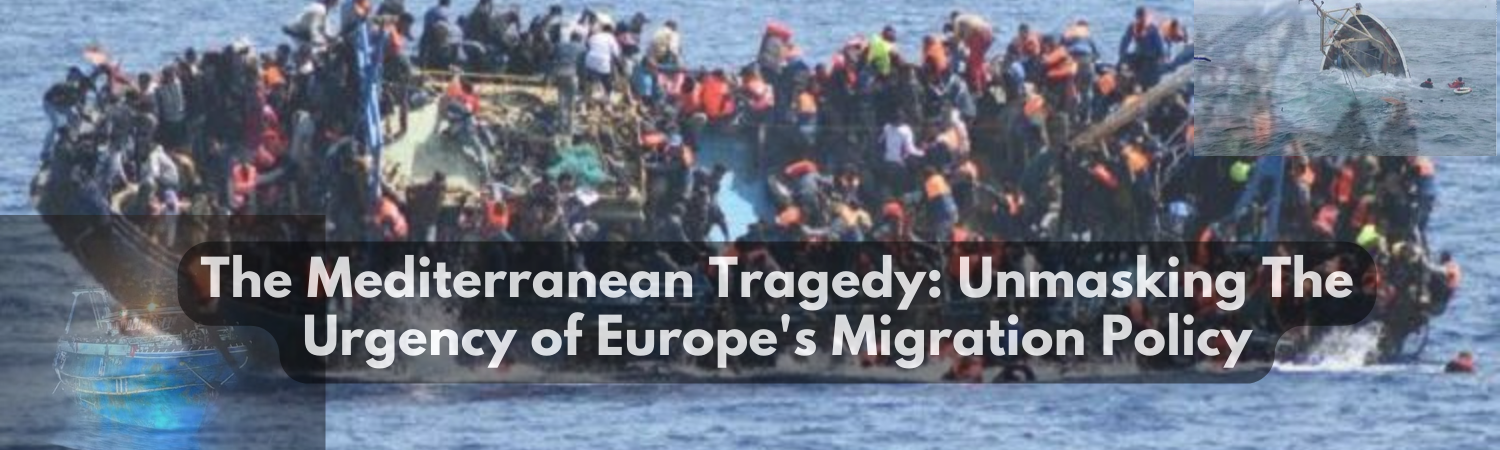
On June 14th, a devastating tragedy unfolded in the east Mediterranean, casting a harsh light on the escalating migrant crisis in Europe. A vessel, precariously overloaded with more than 700 migrants, capsized off the southern coast of Greece. The incident resulted in at least 78 confirmed deaths, with hundreds more still unaccounted for, marking one of the deadliest episodes in recent memory.
The migrants aboard the ill-fated vessel were a microcosm of the larger crisis, representing a diverse mix of nationalities, including Egyptians, Syrians, Pakistanis, Afghans, and Palestinians. Each individual aboard was driven by a common goal: the pursuit of safety and a better life in Europe. Their tragic fate underscores the human cost of the crisis and the desperate conditions that drive people to undertake such perilous journeys.
This incident has once again thrown a spotlight on the ongoing migrant crisis in Europe and the desperate need for policy reform. The incident has sparked international outrage and calls for immediate action to prevent such tragedies from recurring.
The Humanitarian Dilemma: A Deeper Dive into the Human Cost
The human cost of the migrant crisis is not just staggering, it's heart-wrenching. People, driven by desperation and the hope of escaping violence, poverty, and instability, are willing to risk their lives for a chance at a better future in Europe. The recent maritime tragedy off the southern coast of Greece is a stark illustration of this grim reality.
The vessel, destined for disaster, began its treacherous journey from Tobruk in Libya's east, carrying a human mosaic of individuals from various cultural and ethnic backgrounds, each one of them held his unique narratives of optimism and ambitions for a life of safety and prosperity. The grim outcome they met underlines the immediate requirement for a holistic approach to address the crisis.
The plight of these individuals is a testament to the desperate conditions that compel people to undertake such hazardous journeys. It's not just about escaping war and conflict, but also about fleeing economic hardship, political persecution, and social unrest. The international community must recognize the urgency of addressing these root causes of the crisis.
Moreover, the crisis also highlights the failure of the global community to provide adequate support to countries that are hosting large numbers of refugees. Countries like Lebanon, Jordan, Tunisia, Libya, and Turkey are hosting millions of refugees, often with limited resources and support. This puts a strain on their economies and societies, and often pushes refugees to undertake dangerous journeys to Europe.
The human cost of the crisis also extends to those who survive the perilous journey. Many migrants who reach Europe face challenges such as discrimination, social exclusion, and difficulty accessing basic services like healthcare and education. These challenges can exacerbate feelings of isolation and marginalization, making it harder for migrants to integrate into their new societies.
The international community needs to do more than just respond to the immediate crisis. It needs to address the root causes of forced migration, support countries that are hosting large numbers of refugees, and work towards creating inclusive societies that welcome and integrate migrants. Only then can we hope to prevent such tragedies and ensure that everyone has the chance to live a life of safety and dignity.
Europe's Incomplete Asylum Strategy: A Closer Look
Europe's approach to asylum has long been a subject of intense scrutiny and criticism. The existing policy, often perceived as an incomplete project, has led to a disorganized asylum system that has unfortunately resulted in thousands of fatalities in the Mediterranean each year. This system has also inadvertently fuelled the rise of populist politicians who capitalize on the chaos and public sentiment.
At the heart of the criticism is the Dublin convention, a regulation that places the responsibility of processing migrants on the countries where they first enter Europe. This system has been particularly controversial as it places an undue burden on countries like Greece, Spain, and Italy, which are often the first point of entry for migrants trying to reach Europe. These countries, already grappling with their own economic and social challenges, are left to manage the overwhelming influx of migrants. This has led to strained resources, overcrowded camps, and a backlog of asylum applications, further exacerbating the crisis.
The current situation calls for a revaluation of the Dublin convention and a shift towards a more equitable distribution of responsibilities among EU member states. It also underscores the need for a more comprehensive approach to asylum that goes beyond border control and includes integration strategies and international cooperation.
Looking Beyond Europe's Borders: A Global Perspective on the Crisis
In an attempt to address the crisis at its source, the European Union has extended financial support to countries from where migrants often embark on their perilous journeys. Agreements have been reached with nations such as Turkey, Libya, and Tunisia, providing them with financial aid to bolster their coastal patrols, prevent smuggling operations, and facilitate the rescue and return of migrants at sea.
While these efforts are commendable, they have had limited success in stemming the tide of migration. They often focus on managing the symptoms of the crisis rather than addressing its root causes. This highlights the need for a more proactive and comprehensive approach to tackling the underlying issues driving migration.
Promoting economic development and stability in the countries of origin is a crucial part of this approach. Many migrants are driven by economic hardship and lack of opportunities in their home countries. Initiatives aimed at boosting local economies, creating jobs, and improving living conditions can help address these push factors.
Addressing conflicts and human rights abuses is another critical aspect. Many migrants are fleeing war, persecution, and violence. Efforts to resolve conflicts, promote peace, and uphold human rights can help create safer and more stable environments, reducing the need for people to flee. The EU's role in international diplomacy, peacekeeping, and humanitarian aid is crucial in this regard.
However, it's important to note that addressing the root causes of migration is a long-term and complex task. It requires cooperation and commitment from not just the EU, but also the international community. It involves not just policy changes, but also addressing deeper issues such as global inequality, climate change, and geopolitical conflicts.
The migrant crisis must be a global issue that demands a unified international response. It's crucial for nations worldwide to collaborate in establishing safe migration routes, combating human trafficking, and promoting development and peace in migrants' home countries. By addressing these factors, we can aim to prevent future tragedies like the one witnessed on June 14th.
© Falah Mousa 2024
Support Our Work
If you find our content valuable, please consider supporting our mission through a donation. Your contribution helps us continue providing high-quality analysis and insights.
Donation Options:
PayPal: falahmousa@gmail.com
Scan PayPal Payment:

Bank Transfer:
IBAN: BE33967579583046
SWIFT/BIC: TRWIBEB1XXX
Bank Name and Address: Wise, Rue du Trône 100, 3rd floor, Brussels, 1050, Belgium
Contact: fm@falahmousa.com
 Falah Mousa