Sweden has voted for a change of government, but the result should not be mistaken for a decisive shift to the left.
The four opposition parties secured 176 of the Riksdag’s 349 seats, compared with 173 for the parties behind Ulf Kristersson’s government. The difference between the two sides was only about 42,500 votes. Kristersson has announced his resignation, leaving Social Democratic leader Magdalena Andersson in the strongest position to become prime minister. The result still awaits formal certification. Reuters
The Sweden Democrats suffered the clearest defeat. Their support fell by around three percentage points to 17.5 per cent, costing them 11 seats and pushing them behind the Moderates. According to Reuters, this was the first time the party had lost support in a Swedish parliamentary election.
Their fall appears to have been influenced by two factors. Some previous supporters may have punished the party after four years of cooperation with the government. At the same time, proposals such as banning Islamic headscarves and offering money for immigrants to leave Sweden appear to have encouraged more voters in immigrant communities to participate. In districts where at least half of residents were born abroad or had two foreign-born parents, the opposition received around 73,000 more votes than in 2022. Reuters
This does not mean Sweden has clearly rejected stricter migration policy. The Sweden Democrats lost votes, but they helped move the country’s wider political debate to the right. The Social Democrats themselves now support much tighter migration controls than they did during the refugee crisis of the previous decade. A new government is therefore unlikely to reverse every restriction introduced since 2022. Reuters
Nor should the 176 opposition seats be treated as an established governing coalition. The group includes the Social Democrats, Left Party, Greens and Centre Party. The Centre Party wants a government close to the political centre and has serious disagreements with the Left Party, particularly over economic and tax policy. Andersson may have enough seats behind her in theory, but forming a government that can pass budgets and survive important votes will be harder.
The strongest conclusion is therefore a limited one. Swedish voters removed the Kristersson government and delivered a setback to the Sweden Democrats. They did not give any party a strong mandate, and they did not necessarily vote to restore Sweden’s former approach to migration. The election changed who has the first opportunity to govern. The negotiations will determine how much policy actually changes.
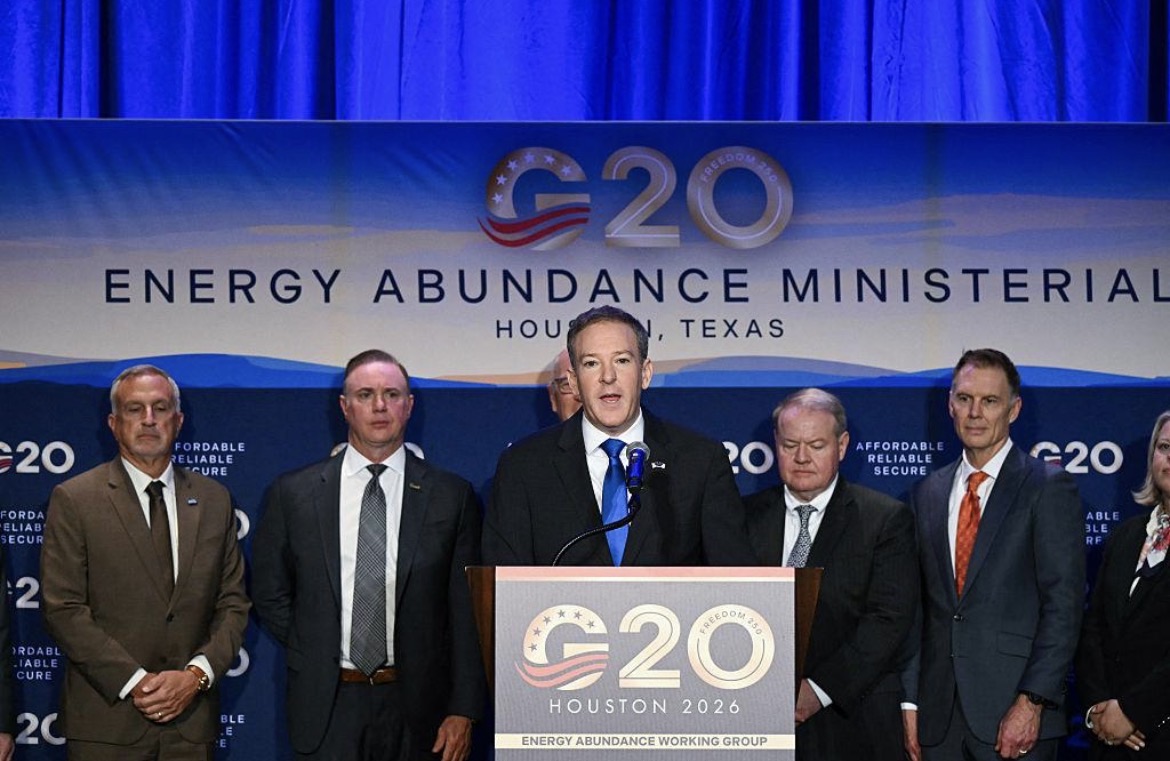
A damaged Saudi pipeline, restricted shipping through the Strait of Hormuz and a shortage of willing tankers have pushed energy security to the top of the G20 agenda in Houston.
Brent crude approached $110 a barrel after attacks disrupted Saudi Arabia’s East-West pipeline. The route had been carrying about four million barrels a day—roughly 4% of global supply—while allowing Saudi exports to avoid Hormuz. Saudi Arabia may now have to send more oil through the strait, where security risks and reduced vessel traffic remain serious concerns.
Shipping capacity is another constraint. The daily cost of hiring a tanker on the benchmark Gulf-to-China route reached $1.035 million on Monday, according to Baltic Exchange data cited by Bloomberg. That figure matters because releasing more crude will not help consumers quickly if there are too few ships prepared to collect and transport it.
A further coordinated release from strategic reserves may still be justified. The IEA’s 32 member countries already agreed in March to release 400 million barrels—the largest coordinated release in the agency’s history. But the IEA described emergency stocks as a temporary buffer. Reserves can limit immediate shortages; they cannot repair infrastructure, protect shipping routes or restore refining capacity.
The politics surrounding the Houston meeting are also difficult to ignore. Russian officials are attending despite continued European concern over Moscow’s war against Ukraine. Washington is exploring additional Venezuelan production, but new drilling projects take time and require stable legal, financial and operating conditions. Neither offers a quick answer to today’s diesel shortage.
Europe’s position also needs some perspective. Gas storage is lower than in previous years, but the European Commission said on 3 September that there was no immediate threat to EU gas supplies, citing greater diversification, more LNG import capacity and lower demand.
Meanwhile, the US Environmental Protection Agency used the G20 meeting to announce a major climate-policy reversal. The EPA finalized the repeal of most of the 2024 power-plant carbon standards and proposed removing the remaining requirements. Presenting this as part of an affordability strategy is questionable. The administration has stated that deregulation will reduce costs, but its own analysis projects that the proposed removal of the remaining standards would add 123 million metric tons of carbon emissions over the next decade.
The G20 should address the immediate supply shock. But another reserve release and more drilling agreements are incomplete answers. A credible energy-security policy must also reduce exposure to unstable supply routes, strengthen infrastructure and expand energy sources that do not depend on globally traded fuel.
The Unseen Depths: A Closer Look at the Migrant Crisis
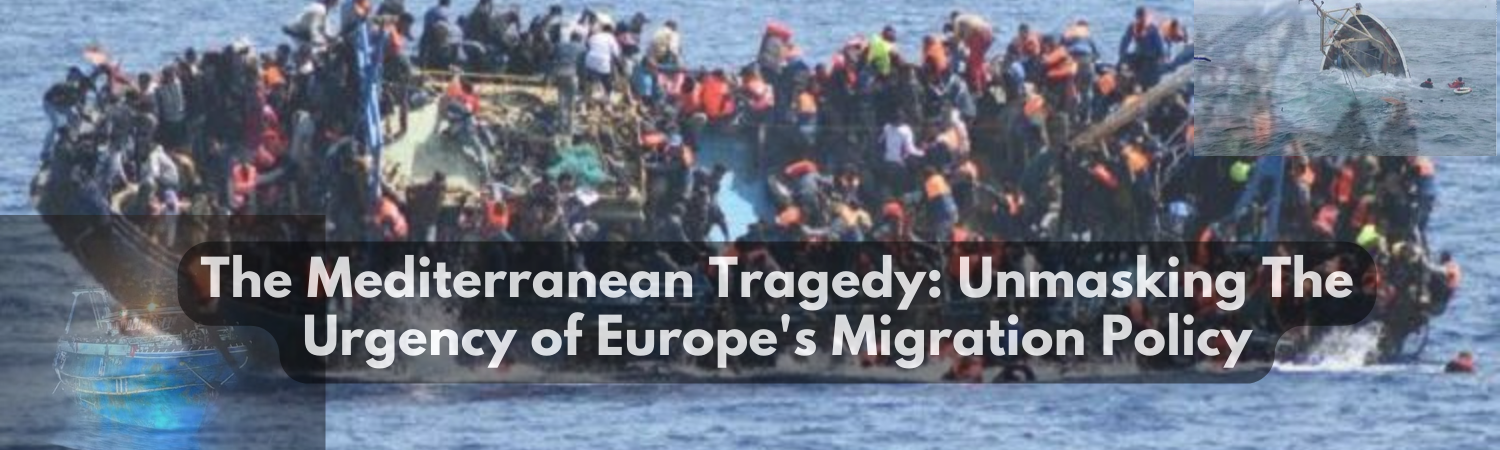
On June 14th, a devastating tragedy unfolded in the east Mediterranean, casting a harsh light on the escalating migrant crisis in Europe. A vessel, precariously overloaded with more than 700 migrants, capsized off the southern coast of Greece. The incident resulted in at least 78 confirmed deaths, with hundreds more still unaccounted for, marking one of the deadliest episodes in recent memory.
The migrants aboard the ill-fated vessel were a microcosm of the larger crisis, representing a diverse mix of nationalities, including Egyptians, Syrians, Pakistanis, Afghans, and Palestinians. Each individual aboard was driven by a common goal: the pursuit of safety and a better life in Europe. Their tragic fate underscores the human cost of the crisis and the desperate conditions that drive people to undertake such perilous journeys.
This incident has once again thrown a spotlight on the ongoing migrant crisis in Europe and the desperate need for policy reform. The incident has sparked international outrage and calls for immediate action to prevent such tragedies from recurring.
The Humanitarian Dilemma: A Deeper Dive into the Human Cost
The human cost of the migrant crisis is not just staggering, it's heart-wrenching. People, driven by desperation and the hope of escaping violence, poverty, and instability, are willing to risk their lives for a chance at a better future in Europe. The recent maritime tragedy off the southern coast of Greece is a stark illustration of this grim reality.
The vessel, destined for disaster, began its treacherous journey from Tobruk in Libya's east, carrying a human mosaic of individuals from various cultural and ethnic backgrounds, each one of them held his unique narratives of optimism and ambitions for a life of safety and prosperity. The grim outcome they met underlines the immediate requirement for a holistic approach to address the crisis.
The plight of these individuals is a testament to the desperate conditions that compel people to undertake such hazardous journeys. It's not just about escaping war and conflict, but also about fleeing economic hardship, political persecution, and social unrest. The international community must recognize the urgency of addressing these root causes of the crisis.
Moreover, the crisis also highlights the failure of the global community to provide adequate support to countries that are hosting large numbers of refugees. Countries like Lebanon, Jordan, Tunisia, Libya, and Turkey are hosting millions of refugees, often with limited resources and support. This puts a strain on their economies and societies, and often pushes refugees to undertake dangerous journeys to Europe.
The human cost of the crisis also extends to those who survive the perilous journey. Many migrants who reach Europe face challenges such as discrimination, social exclusion, and difficulty accessing basic services like healthcare and education. These challenges can exacerbate feelings of isolation and marginalization, making it harder for migrants to integrate into their new societies.
The international community needs to do more than just respond to the immediate crisis. It needs to address the root causes of forced migration, support countries that are hosting large numbers of refugees, and work towards creating inclusive societies that welcome and integrate migrants. Only then can we hope to prevent such tragedies and ensure that everyone has the chance to live a life of safety and dignity.
Europe's Incomplete Asylum Strategy: A Closer Look
Europe's approach to asylum has long been a subject of intense scrutiny and criticism. The existing policy, often perceived as an incomplete project, has led to a disorganized asylum system that has unfortunately resulted in thousands of fatalities in the Mediterranean each year. This system has also inadvertently fuelled the rise of populist politicians who capitalize on the chaos and public sentiment.
At the heart of the criticism is the Dublin convention, a regulation that places the responsibility of processing migrants on the countries where they first enter Europe. This system has been particularly controversial as it places an undue burden on countries like Greece, Spain, and Italy, which are often the first point of entry for migrants trying to reach Europe. These countries, already grappling with their own economic and social challenges, are left to manage the overwhelming influx of migrants. This has led to strained resources, overcrowded camps, and a backlog of asylum applications, further exacerbating the crisis.
The current situation calls for a revaluation of the Dublin convention and a shift towards a more equitable distribution of responsibilities among EU member states. It also underscores the need for a more comprehensive approach to asylum that goes beyond border control and includes integration strategies and international cooperation.
Looking Beyond Europe's Borders: A Global Perspective on the Crisis
In an attempt to address the crisis at its source, the European Union has extended financial support to countries from where migrants often embark on their perilous journeys. Agreements have been reached with nations such as Turkey, Libya, and Tunisia, providing them with financial aid to bolster their coastal patrols, prevent smuggling operations, and facilitate the rescue and return of migrants at sea.
While these efforts are commendable, they have had limited success in stemming the tide of migration. They often focus on managing the symptoms of the crisis rather than addressing its root causes. This highlights the need for a more proactive and comprehensive approach to tackling the underlying issues driving migration.
Promoting economic development and stability in the countries of origin is a crucial part of this approach. Many migrants are driven by economic hardship and lack of opportunities in their home countries. Initiatives aimed at boosting local economies, creating jobs, and improving living conditions can help address these push factors.
Addressing conflicts and human rights abuses is another critical aspect. Many migrants are fleeing war, persecution, and violence. Efforts to resolve conflicts, promote peace, and uphold human rights can help create safer and more stable environments, reducing the need for people to flee. The EU's role in international diplomacy, peacekeeping, and humanitarian aid is crucial in this regard.
However, it's important to note that addressing the root causes of migration is a long-term and complex task. It requires cooperation and commitment from not just the EU, but also the international community. It involves not just policy changes, but also addressing deeper issues such as global inequality, climate change, and geopolitical conflicts.
The migrant crisis must be a global issue that demands a unified international response. It's crucial for nations worldwide to collaborate in establishing safe migration routes, combating human trafficking, and promoting development and peace in migrants' home countries. By addressing these factors, we can aim to prevent future tragedies like the one witnessed on June 14th.
If you find our content valuable, please consider supporting our mission through a donation. Your contribution helps us continue providing high-quality analysis and insights.
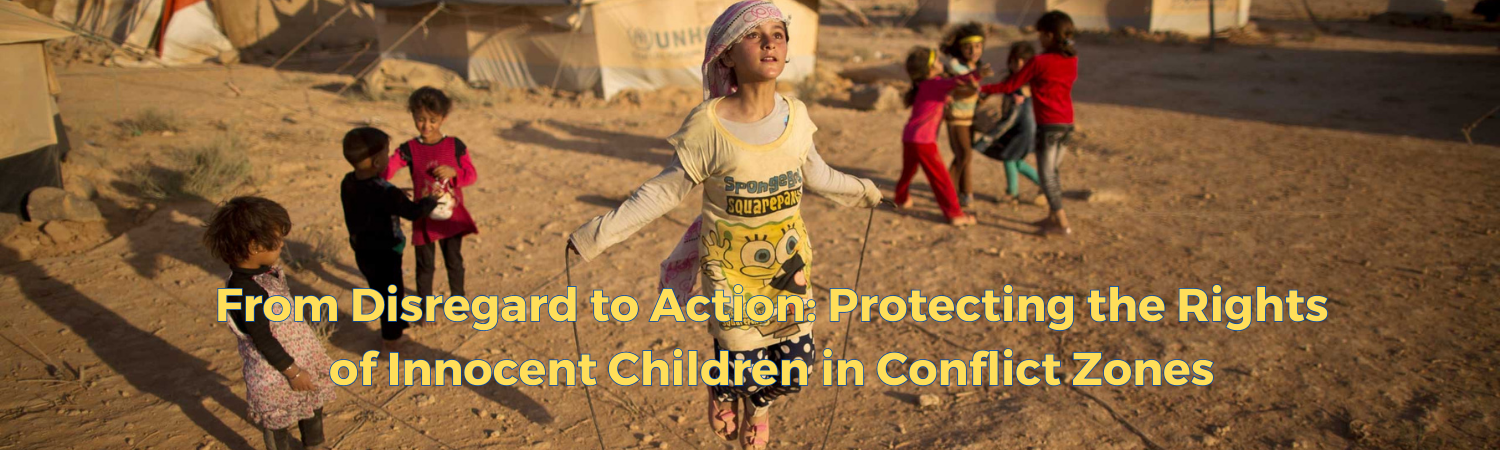
Amidst the chaos and devastation of conflict, the innocence of children stands as a stark reminder of humanity's duty to protect and nurture the most vulnerable. The United Nations and UNICEF have been at the forefront of addressing the urgent concerns surrounding children affected by conflicts, highlighting the critical need for concerted global efforts. As we observed the International Day of Innocent Children Victims of Aggression on the 4th of June, it is crucial to intensify actions that safeguard the rights and well-being of the 250 million innocent children caught in the grip of violence and turmoil, according to a statement by UNICEF Executive Director Henrietta Fore in 2020, while another report from Save The Children in 2022, says that:
About 449 million children worldwide; or 1 in 6, were living in a conflict zone in 2021.
Africa had the highest overall number of children impacted by conflict (180 million), followed by Asia (152 million), and the Americas (64 million).
The Middle East was home to the highest proportion of children living in conflict areas, (1 in every 3 children).
The Harsh Realities:
Each passing day, children in areas of conflict are confronted with unimaginable terrors, robbed of fundamental rights and the very essence of security. Within their own homes or in outdoor spaces, the notion of safety eludes them. Their pursuit of education in schools or access to vital medical services at hospitals is a perilous endeavour. From killing and maiming, abduction and sexual violence, to attacks on education and health facilities, and the denial of the humanitarian assistance that they desperately need, children are being caught in the crosshairs of warring parties at a staggering scale. According to a report from UNICEF, in June 2022, millions of children suffer from forced displacement, disrupted education, malnutrition, physical and psychological trauma, and even recruitment as child soldiers. Their rights to safety, protection, health, and education are egregiously violated. UNICEF reports that children are often deliberately targeted, facing indiscriminate attacks on schools, hospitals, and their communities. This reality necessitates urgent action to address the immense challenges they endure.
Lack of Effectiveness:
Despite the array of agreements and treaties in place, the number of children falling victim to aggression continues to soar. This reveals a significant disparity between the rights and legislations outlined on paper and the grim realities on the ground. It underscores the inadequacy of efforts to enforce these measures, which have proven insufficient in curbing violence against children and shielding them from the horrors of senseless conflicts. However, the question arises: where is the tangible progress in translating these guarantees into concrete actions?
When it comes to the vulnerable and delicate phase of childhood, leaders on a global scale and societies as a whole must reflect upon the necessity for a resilient and rigorous accountability framework that allows no loopholes for evading responsibility. The United Nations itself has recognized the alarming rise in the number of innocent child victims, thereby casting doubts on the attainability of Target 16 within the 2030 Sustainable Development Agenda. This target aims to eliminate all forms of violence, abuse, neglect, and exploitation against children, appearing more like a distant aspiration rather than a tangible reality.
The Imperative for Action:
Acknowledging the urgent necessity to address the challenging circumstances faced by children affected by conflict, key areas that require immediate attention have been emphasized:
Prioritizing Emergency Response and Humanitarian Aid: Swift and adequate provision of humanitarian assistance becomes paramount to address the urgent needs of children trapped in conflict zones. Ensuring their access to essential resources such as clean water, healthcare, nutrition, and protection services can alleviate the devastating impact of violence and displacement on their lives.
Advocating for the Strengthening of Child Protection Systems: It is imperative to advocate for the establishment of robust child protection systems within conflict-affected regions. This involves reinforcing legal frameworks, advancing child-friendly justice mechanisms.
Emphasizing Investment in Education and Psychosocial Support: Recognizing the transformative power of education for children affected by conflict, it is vital to emphasize the significance of accessible, quality education and comprehensive psychosocial support programs. These initiatives provide children with hope, stability, and the tools necessary to build a brighter future.
Promoting Peacebuilding and Conflict Prevention: Proactive efforts in promoting peacebuilding and conflict prevention initiatives are pivotal for ensuring the well-being of children in the long run.
Conclusion:
Despite the existence of international agreements and legal frameworks aimed at protecting children, such as the Fourth Geneva Convention of 1949, the 1977 Additional Protocols, and the Convention on the Rights of the Child, the number of children affected by conflict continues to rise. This highlights the gap between the ideal vision outlined in these agreements and the practical realities on the ground. The efficacy of efforts to enforce these measures falls short, necessitating a critical examination of the mechanisms in place.
Protecting the rights of children in conflict-ridden regions demands a collective commitment to action. As nations and individuals, we must prioritize their safety and right to a childhood free from violence. By translating legal frameworks into tangible protections, bolstering emergency response efforts, investing in education and psychosocial support, and promoting peacebuilding initiatives, we can forge a path towards a more secure and compassionate world for every child affected by conflict. The time to act is now, as their future depends on our unwavering dedication and resolve.
If you find our content valuable, please consider supporting our mission through a donation. Your contribution helps us continue providing high-quality analysis and insights.
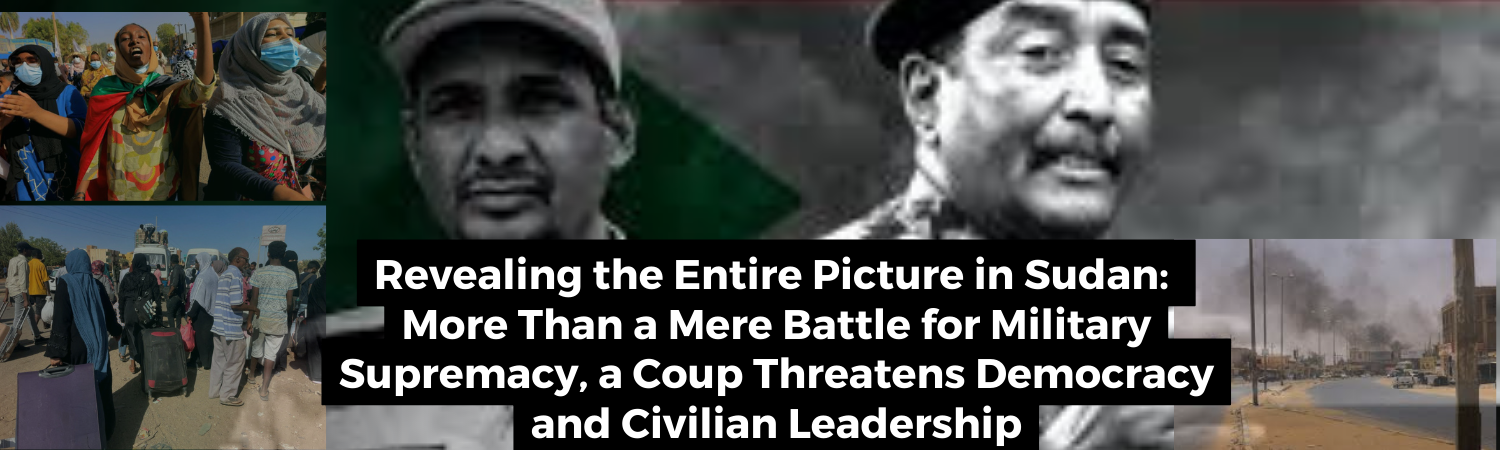
Since attaining independence in 1956, Sudan has been plagued by 35 coups, coup attempts, and coup plots, surpassing any other African nation (statista.com). In 2019, an uprising against the long-time dictator Omar al-Bashir led to the formation of a military-civilian transitional government, fuelling hope for a future transition to civilian democratic rule. However, in October 2021, these aspirations were crushed as Abdel Fattah al-Burhan coup against the transitional government's civilian members. Now, al-Burhan and the Sudanese Armed Forces (SAF) are locked in a fierce conflict with General Mohamed Hamdan Dagalo, the leader of the notorious Rapid Support Forces (RSF). This battle threatens to entirely derail the Transition Plan and indefinitely delay the transfer of power to civilian hands. Four months following the ousting of Bashir on April 11, 2019, the military signed a constitutional declaration with the principal civilian coalition, the Forces of Freedom and Change. This agreement paved the way for a joint military-civilian transitional government. To dismantle the intricate web of parastatal charities, media enterprises, and banks that had facilitated Bashir and his Islamist allies' stronghold over Sudan, the transitional government created an Empowerment Removal Committee. However, in October 2021, Burhan's troops side-lined the committee and arrested most of its prominent members.
The coup happened following months of escalating tensions between the military and civilian government. Discontented with the pace of the democratic transition, the military accused the civilian government of corruption and incompetence. On the day of the coup, the military detained numerous high-ranking civilian government officials, including Prime Minister Abdalla Hamdok, and dissolved the Sovereignty Council, which had been supervising the shift to democracy. This development ignited widespread demonstrations throughout Sudan, as thousands of citizens marched to demand the reinstatement of the civilian government. The military responded with a brutal repression on the protestors, leading to the deaths of dozens of individuals.
Power Play: An Intricate Coup Endangering Democracy and Civilian Leadership
Earlier in April 2023, Sudan's political parties, armed forces, and civil society were on the brink of signing a new political agreement and establishing a new civilian government. The Sudan Armed Forces (SAF) and Rapid Support Forces (RSF) were anticipated to be part of an accord, set to be negotiated between military actors and other civilian entities, encompassing political parties, and civil society that had endorsed the Political Framework Agreement. This final political agreement, planned for signing in April, aimed to initiate or reinstate Sudan's democratic transition. However, just days before the signing, on April 15, the Sudanese unexpectedly witnessed conflict erupt between the SAF and RSF.
The alliance between the SAF and RSF was primarily a matter of convenience. Their collaboration allowed them to consolidate power against civilian factions, safeguard their economic interests, and shield themselves from potential prosecution for past human rights abuses. Throughout Sudan's transition, their partnership remained intact, with both factions playing a role in orchestrating the power grab. However, since the coup, the rift between the two leaders has widened as they each attempt to advance their own agendas and covertly negotiate with civilian parties, particularly on matters concerning foreign relations and security issues.
Simultaneously, the Islamists, who were affiliated with the previous Bashir regime, seized every opportunity to exploit the discord between the Sudanese military forces and the civilian coalition, the Forces of Freedom and Change. They anticipated that the violence and upheaval would provide a chance for their resurgence and return to power. Islamist leaders made statements just days before the hostilities commenced, proclaiming that chaos would engulf Khartoum and Sudan, and they would emerge as the saviours. These leaders sought to hasten the deterioration of the relationship between both generals, hoping it would escalate into an all-out war.
The Radical Islamist Coalition and the Army in Sudan
In relation to the above mentioned, the army is perceived by many as the final bastion of the old regime, which was heavily influenced by Islamists during Omar al-Bashir's rule. In fact, allegiance to the Islamists was frequently a prerequisite for entry into the Military College during that period. From the Islamist perspective, Lieutenant General Hemeti is considered a turncoat who, rather than defending their regime, sided with the revolutionaries. The presence of the RSF forces has effectively diminished the army's clout. This is why the army is so insistent on incorporating these forces into its ranks as a means of exerting control, instead of allowing them to function as an autonomous entity. Therefore, the leadership of the RSF has a well-defined strategy for assimilating its troops into the Sudanese military, encapsulated in the phrase "reform before integration." The RSF's top brass contends that the army, which was tainted by three decades of Islamist domination and sway, must undergo reform prior to any unification efforts. The RSF's chief has consistently asserted that he will not combine his forces with an 'Islamist' military.
The Military Conflict in Sudan Targets the Transition Plan and Resists Handing Over Power to Civilians
It is crucial to understand that the political agreement slated for signing in April 2023, which aimed to establish a new civilian government, intended to grant civilians a significant increase in political and executive power while reducing the military's influence over political and economic activities. However, the efforts to re-establish the democratic transition were halted when the army took control on October 25, 2021. Before signing the agreement, and during this critical phase of the political process, the army sought to advance its own agenda by covertly negotiating with civilian parties—particularly on matters concerning foreign relations and security issues. Furthermore, the army aimed to curtail the sway of the RSF, led by the Vice-President of the Sovereign Council, Lieutenant General Mohamed Hamdan Dagalo (also known as Hemeti), and restrict their future role in Sudan.
Although the leadership of both the army and the RSF have publicly pledged to step back from politics and transfer power to civilians, fulfilling this promise has proven challenging. Both entities have sought to expand their influence beyond the realms of security and defence. Consequently, the military forces have exerted pressure on the civilian government to acknowledge their de facto presence within the executive branch and to cede control over specific domains. This would enable the army to preserve the foreign relations they have cultivated since assuming power in October 2021.
In summary, Burhan's and Hemeti's apprehension regarding civilian efforts to curtail military privileges has influenced their actions. On one hand, they have chosen to maintain critical components of the Bashir system. On the other hand, they have incited discord between themselves and fostered instability, rather than supporting the political transition. This situation has now evolved into a high stake "game of chicken," pushing the country to the brink. Meanwhile the international community must glean lessons from their past errors in placing faith in the generals. Merely appealing to the Sudan Armed Forces and the Rapid Support Forces with gentle rhetoric and modest entreaties will not suffice. It is high time for the global community to recognize that both military organizations have consistently and unabashedly engaged in deception since 2019. As such, they should not be trusted in any forthcoming political process, should it occur, and they must be held responsible for their actions.
If you find our content valuable, please consider supporting our mission through a donation. Your contribution helps us continue providing high-quality analysis and insights.
In today's highly competitive job market, platforms like LinkedIn have become an essential tool for networking and job hunting. However, for many job seekers, the experience on LinkedIn can be demoralizing, demotivating, and discouraging. I've witnessed the struggles of dozens of close-to-me unemployed individuals and job seekers who have spent years applying for countless positions via LinkedIn without any success. This has driven me to share their collective story and call for a more empathetic, supportive, and transparent approach to the hiring process on this platform.
In this article, we will explore the emotional and mental impact of a professional social media platform like LinkedIn on job seekers and unemployed individuals, and how using this platform may increase feelings of depression. We will also examine the reasons behind the anxiety and distress experienced by these users on LinkedIn and explore the measures the platform can implement to alleviate job seekers' frustrations and counteract employers' apathy. In addition to that we will discuss the ways in which LinkedIn can foster a shift in the currently dominant employment culture in the platform.
LinkedIn has established itself as a powerful social and professional network, boasting approximately 875 million users globally by the end of 2022. In terms of regional membership, the platform has 220 million members from the USA, 263 million from Europe, and 52 million hailing from the MENA region. The company’s mission as stated is: “…To connect the world’s professionals to make them more productive and successful.” However, the topic of mental health and job-seeking on professional platforms like LinkedIn has been discussed in various articles and research papers over the years. One very important and scientific study was published in the Journal Cyberpsychology, Behavior, and Social Networking, 2016 Oct 1. In the introduction the study mentions: “the purpose of this study was to investigate the association between frequency of use of LinkedIn, the most commonly used professional social networking website, and depression and anxiety among young adults. In October 2014, we assessed a nationally representative sample of 1,780 U.S. young adults between the ages of 19–32 regarding frequency of LinkedIn use, depression and anxiety, and sociodemographic covariates”. According to the study's discussion and conclusion, it was explained clearly that: “In this cross-sectional nationally representative study of young adults, we found strong, independent linear associations between LinkedIn use and both depression and anxiety. This was true even when we controlled for total social media use, suggesting that our main finding was not simply an artifact of overall increased social media use. Therefore, our hypothesis that increased frequency of use of LinkedIn would be associated with increases in depression and anxiety was supported”.
When LinkedIn's Job Search Turns Sour: The Struggles Faced by Job Seekers and Unemployed Individuals
“LinkedIn really creates that anxiety, that fear of missing out,” says Janice Peh, a counsellor and behavioural health coach at Intellect.com.
She explains that: “Everyone is out there sharing the highlights of their career and you feel a need to post something. Otherwise, you’re forgotten and may not get picked up by customers or head-hunters.”
Given the widespread influence of hustle culture and the emphasis on professional achievement, LinkedIn may provoke even greater anxiety than other social media platforms. Users are regularly exposed to tales of triumphant start-ups, entrepreneurial journeys, and enviable work-life balance situations, which can lead them to question their own career paths and accomplishments.
It is important to remember that similar to other social media platforms, LinkedIn profiles and posts are often carefully curated to present a polished and successful image. Consequently, some of the updates may not genuinely reflect the reality of users' professional lives. Given the high stakes and pressure associated with professional success, the urge to project a flawless image might be even stronger on LinkedIn compared to other platforms such as Facebook and Instagram. Therefore, users should approach the content they encounter on LinkedIn with a healthy dose of scepticism and recognize that not everything they see may be an accurate portrayal of others' lives. LinkedIn's job-seeking process can negatively impact unemployed users in various ways:
Mental health impact: The constant exposure to others' success stories, promotions, and accomplishments can lead to feelings of inadequacy, low self-esteem, and depression, particularly among unemployed individuals struggling to find a job.
Comparison trap: LinkedIn can inadvertently encourage job seekers to compare themselves with their peers or other users within their network, which can lead to feelings of anxiety, jealousy, and self-doubt. This "comparison trap" can be especially damaging for unemployed users who may perceive themselves as falling behind in their careers.
Lack of response or feedback: Unemployed users may become disheartened when they receive little to no response from employers after submitting numerous applications. The absence of feedback or communication from employers can lead to feelings of rejection and demotivation.
Time-consuming process: Job searching on LinkedIn can be time-consuming, particularly for those seeking to tailor their applications, network effectively, and stay up to date on industry news. The time investment required can be emotionally draining and may contribute to feelings of burnout.
Online image pressure: LinkedIn places significant emphasis on maintaining a polished and professional online presence. This pressure to present oneself in the best possible light can lead to feelings of insecurity and impostor syndrome, particularly for unemployed users trying to compete in the job market.
Scams and misleading job offers: Some job postings on LinkedIn may be scams or misleading, which can exploit and further demoralize vulnerable unemployed users.
Promoting Fairness on LinkedIn: Strengthening Transparency and Respect in Job Postings and Hiring Practice
We think that LinkedIn should take steps to regulate and control the job announcement process and promote transparency and respect for job seekers and the hiring process for several reasons:
Enhance platform reputation: By ensuring job postings are legitimate, accurate, and transparent, LinkedIn can maintain and enhance its reputation as a trusted platform for job seekers and employers alike.
Improve user experience: Regulating job announcements and ensuring a fair hiring process can significantly improve the user experience for job seekers, making them more likely to continue using the platform and recommend it to others.
Foster trust and credibility: Ensuring that employers treat job applications with respect and transparency can build trust between job seekers and employers, which is crucial for a healthy and effective job market.
Protect job seekers: Job seekers often invest considerable time and effort into their job search, and a lack of transparency or unfair treatment can be demoralizing and disheartening. By promoting respectful practices, LinkedIn can help protect job seekers' mental and emotional well-being.
Encourage ethical practices: Regulating and controlling job announcements can discourage employers from engaging in unethical practices, such as discriminatory hiring, posting misleading job ads, or exploiting desperate job seekers.
Equal opportunities: A more transparent and regulated hiring process can help level the playing field for all job seekers, ensuring that everyone has a fair chance at employment regardless of their background, connections, or current employment status.
Streamline the hiring process: Establishing guidelines and promoting transparency can help streamline the hiring process, making it more efficient for both employers and job seekers. This can lead to better job matches, reduced turnover, and increased overall satisfaction.
In conclusion, the competitive job market has made platforms like LinkedIn crucial for networking and job hunting. However, many job seekers and unemployed individuals experience feelings of demoralization, discouragement, and anxiety due to various factors like comparison traps, online image pressure, and scams. In this article, we have explored the emotional and mental impact of LinkedIn on job seekers and examined potential measures the platform could take to alleviate their frustrations and address employers' indifference.
LinkedIn can help create a more supportive and fair job market by regulating the job announcement process, fostering transparency, and encouraging respect for job seekers and the hiring process. By implementing such measures, the platform can enhance its reputation, improve user experience, build trust, and promote ethical practices. Ultimately, these changes could contribute to a more positive and empowering experience for job seekers and unemployed individuals navigating the challenges of the job market on LinkedIn.
If you find our content valuable, please consider supporting our mission through a donation. Your contribution helps us continue providing high-quality analysis and insights.
OpenAI and the Military Artificial Intelligence: What the $200 Million Deal Means?
Artificial intelligence (AI), previously considered a futuristic concept, has rapidly become central to current military strategy. Today, strategic partnerships between military institutions and leading AI developers such as OpenAI are fundamentally reshaping the contours of technological innovation and geopolitical power. As defence organizations accelerate their adoption of AI-driven tools; from reconnaissance drones to nuclear command systems, the international community faces urgent and complex ethical, legal, and strategic dilemmas.
According to a comprehensive 2025 report by the EU Non-Proliferation and Disarmament Consortium, military organizations globally are integrating AI systems to achieve critical tactical and strategic advantages. From the battlefields of Ukraine, Iran, and Gaza to the technology corridors of major world powers, AI systems now manage vast data streams from satellite surveillance, unmanned drones, and battlefield sensors. These systems distil complex real-time information, dramatically enhancing commanders’ situational awareness and decision-making capabilities. The U.S. military’s “Convergence” project epitomizes this rapid transformation, aiming to reduce battlefield management “sensor-to-shooter” times from 20 minutes to merely 20 seconds.
Yet, this rapid militarization of AI is not without profound risks. The deep embedding of AI in weapon systems raises severe ethical and legal challenges, particularly around the critical concept of “meaningful human control.” Advocates for maintaining clear human oversight emphasize that crucial life-and-death decisions must remain firmly within human judgment. The Consortium’s report underscores fears that fully autonomous AI systems could erode moral accountability, obscure decision-making processes, and desensitize military personnel and policymakers to violence. Algorithms, after all, are devoid of moral considerations and ethical reflections, which are integral to compliance with international humanitarian law.
These concerns have already materialized in various contemporary conflicts. The EU Non-Proliferation and Disarmament Consortium highlights that in Gaza, Israeli forces have deployed AI-powered systems to automate military target selection, significantly diminishing human involvement in ethically sensitive decisions. Similarly, Russia’s use of inexpensive drones enhanced with AI navigation in Ukraine demonstrates how quickly autonomous technologies can be adapted for military use. These developments signal a disturbing trend: inexpensive, AI-powered autonomous weapons systems could proliferate widely, operated without sufficient oversight or control.
This rapidly expanding role of AI in military contexts was underscored vividly by OpenAI’s announcement in June 2025 of a $200 million agreement with the U.S. Department of Defence. Under the new initiative titled “OpenAI for Government,” advanced AI systems are being developed explicitly for public institutions and military applications, including cybersecurity, logistics management, military healthcare, and operational planning. Notably, two OpenAI executives have also joined a new U.S. Army Reserve detachment focused on recruiting technology experts, illustrating a broader push to systematically embed civilian technological expertise within defence frameworks.
The OpenAI partnership is part of a wider, global shift. Defence ministries across advanced economies are increasingly formalizing AI integration within their operational doctrines. The UK Ministry of Defence has notably expanded its Defence AI Centre, while Australia and France have increased budget allocations specifically for military AI research. NATO’s Defence Innovation Accelerator for the North Atlantic (DIANA) now funds AI applications aimed at threat detection, logistics optimization, and autonomous mobility. The trend represents a clear departure from earlier periods when major technology firms hesitated to engage directly in defence-related projects.
The OpenAI deal reflects a broader pattern in which AI companies are increasingly comfortable collaborating with defence agencies. Prior engagements, such as OpenAI’s cooperation with Anduril Industries, maker of the autonomous “Fury” drone, demonstrate how civilian-developed AI technologies are adapted directly into military platforms. Other leading AI labs, such as Anthropic, have joined with defence analytics providers like Palantir Technologies, showcasing a landscape where private-sector innovation feeds directly into national security strategies. AI-driven platforms now routinely integrate satellite imagery, communications intercepts, and logistics data to enhance battlefield command decisions and predictive modelling.
Yet this growing militarization is not limited to Western nations. The global proliferation of military AI systems is evident from Israeli AI target selection tools to Chinese robotic quadrupeds armed with weaponry and supported by models based on Meta’s LLaMA architecture. Such technological proliferation raises substantial strategic, legal, and ethical complexities. The international humanitarian law framework, designed in a pre-AI era, struggles to accommodate autonomous decision-making systems. Assigning accountability when AI misidentifies threats or managing escalation scenarios that unfold faster than human response is increasingly challenging. These unresolved issues compound regional arms race risks, especially in geopolitically tense areas.
The stakes escalate dramatically when AI is embedded in nuclear command, control, and communication systems; a strategic shift with profound implications for global stability. While advocates argue AI can reduce the risk of accidental nuclear conflict by enhancing crisis intelligence and swift decision-making, the Consortium highlights serious vulnerabilities. Despite their sophistication, AI systems are prone to technical errors, cyberattacks, and manipulation by adversaries. Historical precedents from Cold War-era automated systems illustrate vividly how technological faults can precipitate near-catastrophic misunderstandings. Modern AI complexities exacerbate these risks, emphasizing the urgent need for transparency and robust cybersecurity safeguards in nuclear contexts.
Addressing these multifaceted challenges demands immediate and robust international cooperation. A global regulatory framework governing military AI must enforce transparency, uphold accountability, and embed ethical standards. The European Union’s pioneering AI Act serves as a critical regulatory milestone, yet significant questions remain about its coverage of dual-use technologies. Legal reviews under international humanitarian law, particularly the Geneva Conventions, must evolve to explicitly encompass AI-enabled decision-support systems, embedding stringent ethical and human rights considerations throughout their operational lifecycle.
Beyond regulatory frameworks, genuine transparency and international trust-building remain essential. Nations must establish verification mechanisms and openly communicate the capabilities and limitations of their military AI systems to mitigate risks inherent in autonomous warfare.
Artificial intelligence, with its unmatched promise to enhance defensive capabilities and strategic foresight, simultaneously represents a profound challenge to global security if deployed without stringent oversight and ethical clarity. The trajectory set by today’s AI partnerships and military integration decisions will decisively shape not only future military doctrine but the very geopolitical balance for decades to come. As nations rush to integrate AI into their defence arsenals, the international community faces a stark choice: develop a robust, responsible AI governance framework immediately, or risk entrusting humanity’s future to systems that operate devoid of ethical boundaries or conscious accountability.
If you find our content valuable, please consider supporting our mission through a donation. Your contribution helps us continue providing high-quality analysis and insights.
International Justice Day, observed annually on July 17, commemorates the historic adoption of the “Rome Statute” in 1998. This significant day emphasizes the ongoing fight against impunity and the pursuit of justice for victims of war crimes, crimes against humanity, and genocide. Amid the complex landscape of international law, Western nations, including the United States, often advocate for human rights and democratic values. However, their intricate relationship with the International Criminal Court (ICC) reveals challenges in applying universal justice principles, exposing contradictions in Western foreign policies. The selective support for the ICC by these nations often aligns with their strategic interests, revealing a pattern where human rights are used as tools of diplomacy rather than universal imperatives. This approach undermines the credibility of international institutions and erodes trust in impartial justice, suggesting that adherence to international law is often a strategic choice rather than a principled stance. The ambivalence of powerful nations towards the ICC, highlighted by coercive tactics and political interference, limits the court's independence and threatens to reduce it to a pawn in international power politics. As the world grapples with these complexities, the unwavering support of ICC member countries for the court’s independence offers a glimmer of hope for a more just and equitable international system.
Balancing Human Rights Advocacy:
Human rights are designed to be universal, ensuring that every individual, regardless of their background, is afforded certain fundamental protections. The United States has historically been a vocal proponent of these principles. Yet, its engagement with the ICC reveals a selective approach that reflects broader geopolitical realities. For instance, while the U.S. strongly supports the ICC’s efforts to address war crimes in Ukraine and Darfur, its stance shifts when investigations pertain to actions involving Israel, a key ally. This shift can be attributed to the inherent "us-versus-them" mentality that influences global politics. It is easier to empathize with those who share our values and identity, and this empathy often diminishes when considering those who are different or adversarial. In conflict situations, this bias can lead to the dehumanization of opponents, making it challenging to uphold their rights.
However, this selective approach to human rights advocacy goes beyond mere bias. It raises critical questions about the authenticity of the U.S.'s commitment to universal principles. Is the U.S. genuinely committed to human rights for all, or are these principles invoked selectively to serve strategic interests? When the U.S. condemns human rights abuses in adversarial states but turns a blind eye to similar actions by its allies, it risks undermining the very foundation of international human rights norms.
Furthermore, this selective engagement with the ICC can be seen as a form of geopolitical manipulation. By supporting the court's actions in certain contexts and obstructing it in others, the U.S. leverages international justice as a tool of foreign policy. This approach not only weakens the credibility of the ICC but also erodes trust in the international legal system. It sends a message that justice is not a universal right, but a privilege granted at the discretion of powerful states. The implications of this stance are far-reaching. It fosters a world where power dynamics dictate the application of justice, undermining the principle of equality before the law. For countries observing these double standards, the message is clear: alliances and political considerations can shield perpetrators from accountability. This reality can embolden states to commit abuses with impunity, knowing that their geopolitical value may offer them protection from international scrutiny.
The United States, though not a member of the ICC, has engaged with the court in various capacities over the years, with the Biden administration recognizing its role in prosecuting war crimes in certain regions. However, the U.S. response to ICC actions involving Israel, such as ICC prosecutor Karim Khan's announcement of arrest warrants for individuals from both Hamas and the Israeli government, led to significant political reactions, including threats of sanctions from twelve U.S. senators and a bill passed by the House of Representatives aimed at sanctioning the ICC and its supporters. The ICC’s independence is also under threat from other quarters. For example, in 2023, Russian authorities issued arrest warrants for Khan and six judges following the court's issuance of warrants for President Putin and another official for war crimes in Ukraine. This move was accompanied by laws criminalizing cooperation with the ICC. Despite these pressures, ICC officials continue to fulfill their mandate, reflecting their commitment to justice in both the Palestine and Ukraine investigations, with unified support from ICC members underscoring their resolve to defend the court’s independence and impartiality.
Global Support for the ICC
Despite these challenges, the ICC enjoys robust international support. Ninety-three member countries have pledged their unwavering commitment to the court, emphasizing its essential role as an independent and impartial institution. This collective stance is crucial in countering political pressures and ensuring the ICC can function without interference.
In a joint statement, these countries underscored the importance of upholding the principles and values of the Rome Statute and protecting its integrity from any form of interference and pressure. They also called on all nations to ensure full cooperation with the ICC.
The endorsing countries include Australia, Canada, the UK, Japan, Bosnia and Herzegovina, Malta, Mauritius, Mexico, Mongolia, Montenegro, Namibia, Germany, and France, along with Belgium, Jordan, South Africa, Spain, Sweden, Switzerland, Chile, Colombia, Senegal, and Slovenia, among others. “As States Parties to the Rome Statute of the International Criminal Court, we uphold that the Court, its officials, and staff shall carry out their professional duties as international civil servants without intimidation,” the statement read. “The ICC, as the world’s first and only permanent international criminal court, is an essential component of the international peace and security architecture,” it added. “We therefore call on all States to ensure full cooperation with the Court for it to carry out its important mandate of ensuring equal justice for all victims of genocide, war crimes, crimes against humanity, and the crime of aggression, grave crimes that threaten the peace, security, and well-being of the world.” (See the official Government of Canada website: canada.ca. See also Belgium UN New York, at x.com).
This international solidarity is a powerful counterweight to efforts aimed at undermining the court's independence. It signals a steadfast commitment to upholding universal principles of justice, even when politically inconvenient. The global community's support for the ICC is a testament to the enduring belief in the rule of law and the pursuit of justice for all, regardless of political affiliations.
A Path Forward: Consistent Application of Justice:
It is our responsibility to advocate for a world where justice is guided by consistent principles rather than political expediency. Only through a commitment to impartial justice can we hope to build a truly equitable international order. The challenges we face are profound, but they are not insurmountable.
The quest for justice in this intricate and often contentious landscape demands not only the courage to hold all perpetrators accountable but also the resolve to uphold the principles of universality and impartiality. The credibility of international law hinges on its consistent application. When justice is applied selectively, it erodes trust in legal institutions and diminishes the moral authority of those who advocate human rights.
The U.S., like other powerful nations, faces a crucial choice: to continue wielding international justice as a diplomatic instrument or to embrace a genuinely principled approach that upholds the integrity of global human rights. The path it chooses will significantly influence the future of international law and the quest for a truly just world order.
Support Our Work
If you find our content valuable, please consider supporting our mission through a donation. Your contribution helps us continue providing high-quality analysis and insights.
Arab Barometer’s Wave VIII surveys, conducted in 2023–2024, show that many people across the Middle East and North Africa were considering leaving their countries. These findings measure people’s intentions, not how many eventually migrated. They nevertheless raise a serious question: what future do societies offer when so many young people believe their prospects are better elsewhere?
According to the report nearly half of Tunisians (46%) and significant portions of Jordanians (42%) and Lebanese (38%) are considering leaving their countries. These figures are a stark reflection of the harsh realities faced by millions in the region—realities driven by deteriorating economic conditions, political instability, and rising insecurity. Shockingly, 71% of Tunisian youth aged 18-29 are contemplating emigration, a figure that should concern any government hoping to build a future on the backs of its younger generations.
Lebanon tells a story of compounded crises. With its economy in freefall, widespread political corruption, and growing tensions with Israel, 38% of Lebanese are looking for a way out. For many Lebanese, the decision to emigrate is not just about seeking better economic conditions but also about escaping the instability that plagues their country. 27% of potential migrants in Lebanon cite security concerns as their primary reason for leaving, and an alarming 23% are driven by the political situation. These figures underscore how Lebanon's ongoing political and economic crises are pushing segments of the population to the brink, forcing them to seek a safer, more stable life abroad. Even among those who remain, pessimism about the future runs deep. Virtually no one in Lebanon rates the economy positively, and potential migrants view the future with even greater apprehension than those who plan to stay.
Morocco stands out as a critical case study. Around 35% of Moroccans are contemplating leaving their homeland. For many, this is not just a dream but a necessity driven by the relentless economic pressures and lack of opportunities. The Moroccan government’s inability to provide adequate job prospects has left an entire generation looking to Europe, with France, Spain, and Italy being the preferred destinations. But here’s the alarming part: 53% of Moroccans willing to migrate are considering doing so without proper documentation, indicating the desperation many feel. This figure is among the highest in the region, showing that, for many, legal pathways are out of reach due to financial constraints. Disturbingly, nearly two-thirds (64%) of potential Moroccan migrants struggling to cover their expenses are more willing to emigrate without the necessary papers, compared to only a third of their better-off counterparts.
In Jordan, the migration crisis is deeply rooted in economic hardship, with 42% of the population considering emigration. The situation is particularly alarming among the youth, with 54% of Jordanians aged 18-29 expressing a desire to leave the country. Economic factors are the primary driver for 90% of those wanting to emigrate, reflecting widespread discontent with the country's economic situation. While the overall percentage of Jordanians wanting to leave has dropped slightly from previous years, the figures remain significantly high, indicating persistent challenges in providing adequate opportunities for young people within the country. The top destinations for Jordanian migrants include North America, Western Europe, and the Gulf, as they seek better job prospects and a more stable future abroad, according to the Arab Barometer’s 2023–2024 Wave VIII report.
Mauritania presents another alarming scenario. With 22% of its citizens wanting to emigrate, the numbers might seem lower than in other countries, but a significant shift is underway. The percentage of prospective emigrants willing to leave without documentation has doubled in recent years, climbing from 22% in 2022 to 44% in 2024. This increase reflects the intense challenges faced by many Mauritanians who are struggling to secure the proper documents for legal migration. The youth, in particular, are disproportionately affected, with 51% of young Mauritanians who were already considering migration expressing a willingness to leave even without papers. This is a clear indication of the country’s inability to provide sufficient opportunities, driving a substantial portion of its population towards risky, irregular migration.
According to the report, the preferred destinations for these migrants vary but are telling. North America remains the top choice for many, with Canada and the United States seen as lands of opportunity. In Mauritania, 56% of those looking to migrate see the U.S. as their top destination, while in Lebanon and Morocco, France remains a popular choice due to historical ties and existing diaspora communities.
This migration crisis in the MENA region raises critical questions about the future. How can governments address the root causes; economic despair, political instability, and social discontent, that drive so many to leave? Can the international community step in to offer support before these societies lose an entire generation to migration? Or will we continue to manage the symptoms of this crisis rather than tackle its causes head-on?
Support Our Work
If you find our content valuable, please consider supporting our mission through a donation. Your contribution helps us continue providing high-quality analysis and insights.
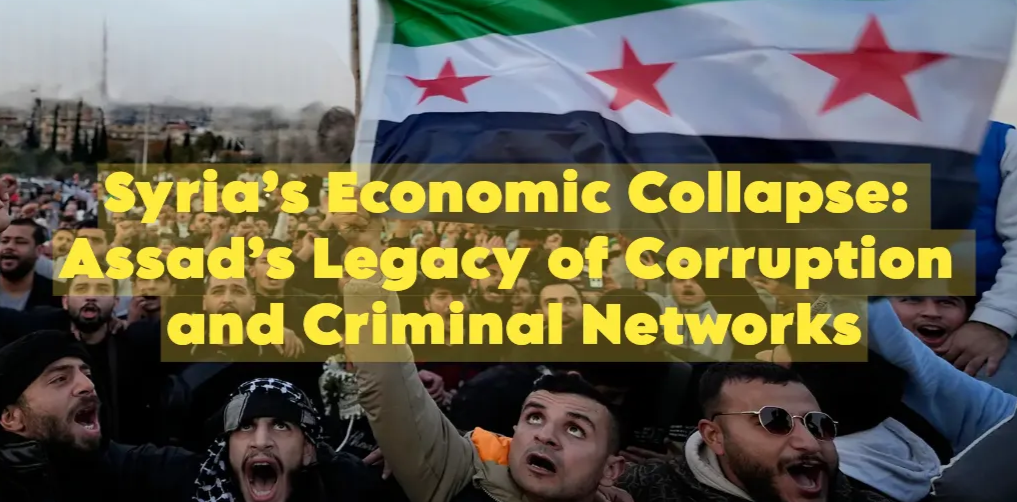
Having fled to Moscow, Bashar al-Assad leaves behind a Syria economically and morally bankrupt, a nation ravaged by 13 years of civil war, authoritarian mismanagement, and systemic corruption. Once a relatively prosperous country, Syria is now a shattered economy, sustained more by illicit activities than legitimate enterprise. The nation’s gross domestic product (GDP), which stood at $68 billion in 2011 when protests against Assad’s regime began, has since plunged to an estimated $6.2 billion in 2024, according to the World Bank (data.worldbank Syrian Arab Republic). This figure excludes the flourishing black market, which has become a primary driver of economic activity in the absence of functioning institutions.
The collapse of Syria’s economy is unparalleled, exacerbated by Western sanctions, particularly the United States’ Caesar Act, which has severely restricted international financial transactions and trade. Yet, rather than reforming or seeking genuine recovery, the Assad regime entrenched its hold on key sectors, transforming the economy into a tool of patronage for its inner circle. Corruption has metastasized, with international watchdogs repeatedly documenting the regime’s criminal entanglements. Among the most striking examples is the Captagon trade, a booming synthetic drug industry estimated to generate between $2 billion and $5 billion annually, which has become a cornerstone of the regime's finances. Smuggling, human trafficking, and the looting of antiquities have further supplemented state revenues, providing a lifeline to a regime otherwise isolated on the global stage.
The economic devastation is vividly reflected in the Syrian lira’s collapse. In 2010, the currency traded at 46 SYP/USD; today, it hovers around 14,500–15,500 SYP/USD in Damascus, while regions like Idlib have abandoned it altogether, using Turkish lira instead. This monetary disintegration reflects the broader fragmentation of the national economy. Foreign currency reserves have plummeted from $20 billion in 2010 to an estimated $700 million by 2016, with no official updates since. Analysts suspect that billions have been siphoned off by the Assad family, hidden in Russian accounts and offshore havens. The resulting hyperinflation has been devastating cumulative inflation over the conflict years exceeds 2,000 percent, with annual rates expected to reach 100 percent in 2024. Ordinary Syrians have borne the brunt of this economic collapse, with civil servants now earning an average of just $30 per month. Inflation has pushed the poverty rate to an estimated 69 percent in 2022, a figure that has likely worsened.
Syria’s economic pillars, once central to its prosperity, lie in ruins. Oil production, which contributed 30–35 percent of GDP before the war, has shrivelled from 385,000 barrels per day in 2011 to a mere 25,000–40,000 barrels per day today. Many of the country’s oil fields were under the control of Kurdish forces or other factions, which prevented the regime from accessing this once vital source of revenue. Agriculture, which accounted for 20–25 percent of GDP, has been similarly crippled. Once a source of self-sufficiency, the sector has been decimated by forced migration, internal displacement, drought, and the destruction of irrigation infrastructure. Wheat and cotton production, formerly national staples, are now drastically diminished compared to their previous levels.
Industry and trade have fared no better. The textile sector, once a leading contributor to Syria’s industrial base, has collapsed. Exports, which totalled $12 billion in 2010, have fallen to just $1 billion in 2024, a stark indicator of the country’s economic isolation. Tourism, too, has evaporated. Once accounting for 12 percent of GDP and drawing nearly eight million visitors annually, the industry has been obliterated by the destruction of cultural landmarks and the ongoing instability.
The Road to Rebuilding Syria: Concrete Challenges and a Path to Recovery
Syria’s road to recovery is arduous but not insurmountable. To approach pre-2011 levels of domestic production, the country requires more than just political stability and reconstruction funding—it demands a comprehensive overhaul of its governance and economic systems. The World Bank has estimated that restoring Syria’s GDP could take over a decade of sustained growth, but such projections hinge on dismantling the entrenched corruption, monopolies, and illicit networks that have thrived under Bashar al-Assad’s regime. With Assad now in exile in Moscow, a unique window for transformation exists, but progress will require bold, systematic action from the new leadership and strong international support.
The new government, led by Prime Minister Mohammed al-Bashir, must prioritize pragmatic, impactful reforms rather than symbolic gestures. Rebuilding Syria’s shattered economy necessitates immediate steps, such as securing foreign aid for large-scale infrastructure projects and incentivizing private investment to revitalize key sectors like agriculture and manufacturing. Targeting corruption must be at the forefront: establishing an independent anti-corruption commission with international oversight could dismantle the deep-seated networks that continue to stifle economic progress.
Reopening vital trade corridors, including the Nasib border crossing with Jordan, is crucial to restoring commerce and easing food shortages. Yet, trade on its own will not suffice. A long-term recovery plan must include re-establishing agricultural production through investment in irrigation systems, seed distribution, and subsidies for displaced farmers. Additionally, stabilizing the Syrian pound will require not only central bank reforms but also measures to rebuild public trust in the currency, such as transparent fiscal policies and reducing reliance on black-market economies.
A critical component of Syria’s recovery is addressing the humanitarian crisis. The return of the 6.4 million Syrian refugees cannot merely be encouraged through rhetoric. The government must ensure conditions for their safe and dignified repatriation by rebuilding housing, schools, and healthcare facilities. Beyond physical infrastructure, fostering social cohesion and rebuilding trust among Syria’s fractured communities is essential. Offering amnesties to certain factions while ensuring accountability for war crimes could strike a delicate balance between justice and reconciliation.
Internationally, Syria’s recovery hinges on recalibrating its foreign relations. Assad’s reliance on Russia and Iran left the country politically dependent and economically exploited. Al-Bashir administration should seek to engage Gulf states and Turkey to secure reconstruction funding and encourage regional investments, while demonstrating to Western powers a genuine commitment to economic transparency and human rights. As well as stopping drug smuggling and addressing migration pressures, which could unlock further financial and diplomatic support.
Despite these opportunities, the challenges are immense. Corruption remains deeply embedded in Syria’s bureaucracy, and remnants of Assad’s networks continue to operate in shadow economies. Furthermore, the HTS-led coalition’s questionable human rights record and Islamist underpinnings raise concerns about whether the new leadership will genuinely embrace pluralism and democracy. To address these risks, the al-Bashir government must commit to reforms that are visible and verifiable, like engaging international monitors, reforming the judiciary, and empowering civil society to participate in governance.
The geopolitical consequences of the fall of Assad’s regime present both risks and opportunities. Russia, facing setbacks in Ukraine and diminished influence in Syria, is recalibrating its regional strategy, while Iran, deprived of a key ally, finds itself more isolated than ever. This shifting landscape could allow Syria’s new government to revise and redefine its foreign alliances and dependencies. By rebalancing its relationships, Syria could position itself as a neutral player in the region, attracting broader international support.
In conclusion, Syria’s future depends on bold leadership, innovative policy reforms, and strategic international partnerships. The collapse of Assad’s regime has created a rare moment of possibility; but capitalizing on it requires addressing Syria’s corruption-riddled foundations and creating an inclusive vision for the nation’s recovery. Success will not come easily, but with decisive action, Syria can transition from a war-torn state to a nation poised for stability and growth.
For the millions of Syrians displaced, impoverished, or left to face the challenges of survival, and those who have recently been freed from Assad’s prisons and those still trapped in fear and confusion about the current chaos and the uncertain future, the question remains whether the international community will act, or whether Syria will remain indefinitely trapped in the destruction left by al- Assad and the fall of his brutal regime.
Support Our Work
If you find our content valuable, please consider supporting our mission through a donation. Your contribution helps us continue providing high-quality analysis and insights.